Humanities Hero: Shelby-lain Whitaker
July 14, 2026New Pekin, like many other small towns dotting the hills of southern Indiana, comes with a quaintness you cannot quite describe. Most of the year, life moves at a comfortable pace for the thousand or so…
New Pekin, like many other small towns dotting the hills of southern Indiana, comes with a quaintness you cannot quite describe. Most of the year, life moves at a comfortable pace for the thousand or so residents living there on the banks of the South Fork Blue River. Every summer though, New Pekin explodes overnight as thousands of visitors gather in its streets and parks to enjoy the longest consecutively-running 4th of July celebration in the United States. Shelby-lain Whitaker, treasurer and media volunteer for the Pekin Community Betterment Organization (PCBO), is responsible for sharing the story of the town’s almost two century-old tradition across generations.
The PCBO was formed in 1952 as a volunteer organization focused on bettering the New Pekin community through beautification projects and public events. While the 4th of July celebration is the most prominent example of their work, they also undertake year-round initiatives such as park maintenance and mural painting.“What makes its impact especially important in a small population is that it helps maintain continuity,” said Whitaker. “That involvement builds a strong sense of place because people are not just living in Pekin; they are helping define what Pekin feels like…”
Whitaker grew up in New Pekin, and when she joined the PCBO as an adult, her top priority was to elevate the festival beyond the town’s close-knit community.This included partnering with outside organizations and leveraging social media to expand their reach. According to Whitaker, the intimacy and comradery of the festivities has convinced newcomers to make it into an annual tradition. “It feels like the entire community becomes one large family celebration,” she said.
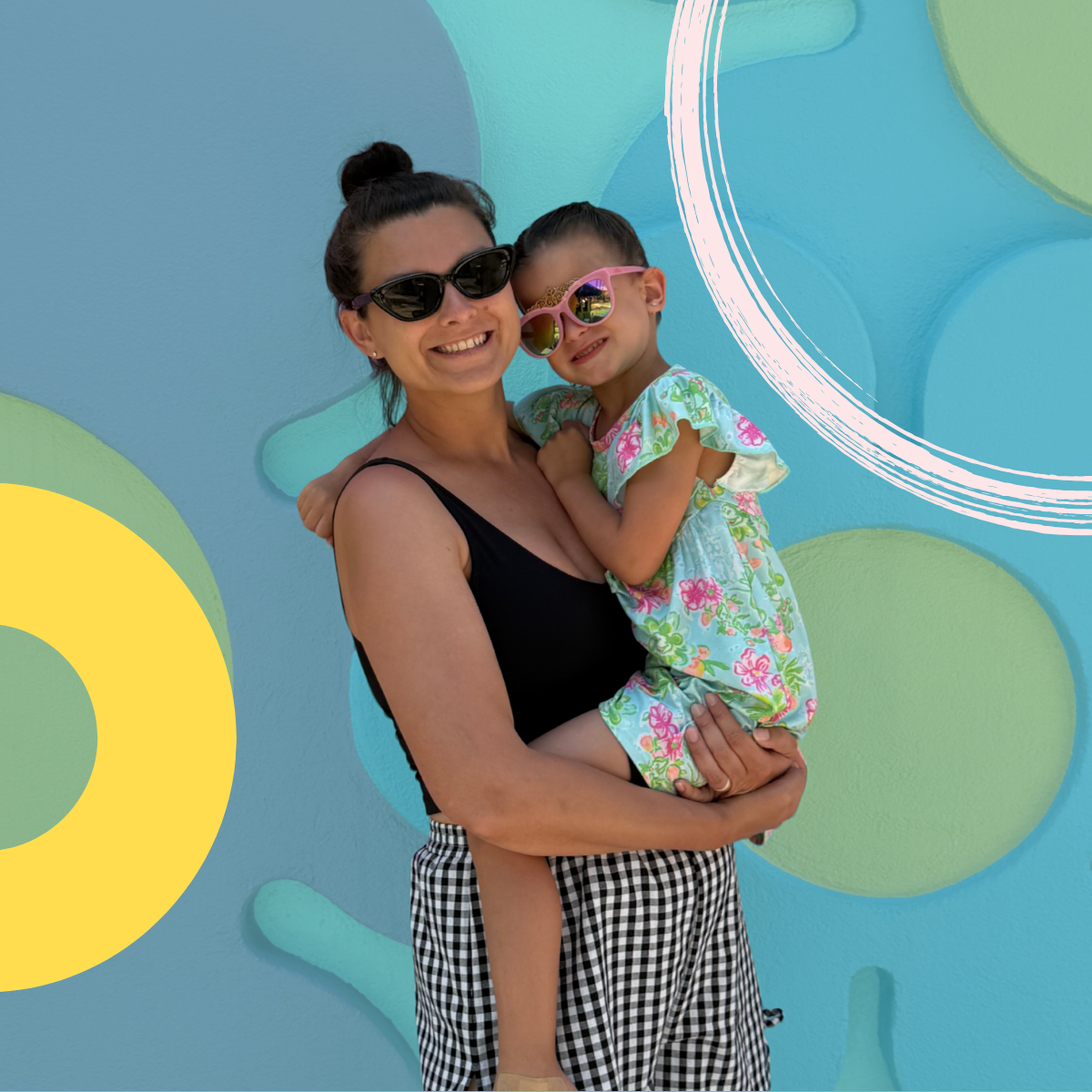
The festival and Pekin’s other community initiatives represent a unique opportunity for civic engagement across generations. Younger residents volunteer to plan tournaments or contests, and older volunteers serve as community storytellers or mentors. This year, they unearthed a bicentennial time capsule from 1976 and reburied it with new artifacts. The PCBO balances these long-standing traditions with the fresh perspectives of new participants, so in this way, the event stays historically significant, inclusive, and sustainable. That connection is in Whitaker’s blood, as her grandfather and mother both volunteered for decades and she continues that work with her own daughter.
“I would like our family’s contributions to be remembered not for any single role or task, but for our consistency in showing up and supporting the effort…,” said Whitaker. “More broadly, I hope our involvement reflects what PCBO represents at its core: a community where people of all ages come together to preserve history and ensure that these traditions continue for those who come after us.”
Organizations like the PCBO are necessary for smaller Indiana towns where volunteerism makes or breaks further civic participation. These groups, along with the contributions of individuals like Whitaker, shape and support a county or region’s folklore and living history, motivating residents to take ownership of where they live and strengthen their sense of belonging.